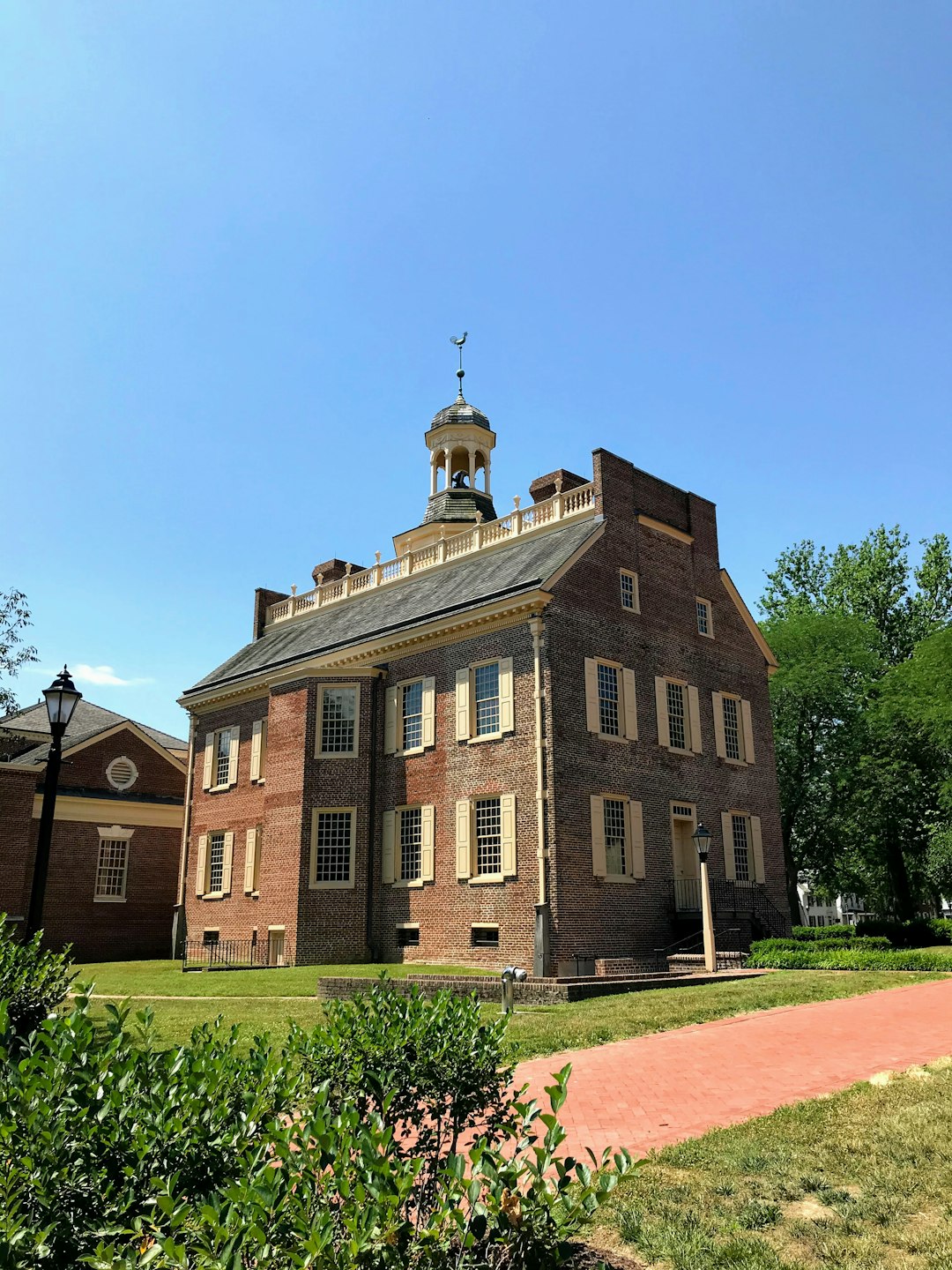
Delaware's spam call law firms confront a dynamic challenge through a multi-pronged approach: stringent enforcement of the TCPA, consumer education, technological advancements like AI and dynamic number blocking, and collaborative efforts between telecoms and regulators. The evolving legal landscape demands continuous updates and innovative strategies to protect residents from persistent spam calls.
Spam calls are a persistent nuisance, impacting millions of Americans daily, including folks in Delaware. These unwanted interruptions not only disturb peace but also pose significant challenges for individuals and businesses alike. As communication channels evolve, so do the tactics of spammers, making traditional blocking methods inadequate. In response, spam call law firms in Delaware are pioneering innovative solutions, leveraging advanced technologies and legal expertise to combat this growing epidemic. This article delves into the future of spam call defense, exploring cutting-edge strategies and their potential impact on safeguarding communication channels for all Delaware residents.
Understanding Delaware's Spam Call Regulations

In Delaware, the fight against spam calls has evolved into a complex web of regulations designed to protect residents from unwanted telephone solicitations. The state’s approach stands as a testament to its commitment to consumer privacy and rights. Key among these regulations is the stringent enforcement of the Telephone Consumer Protection Act (TCPA), which prohibits automated or prerecorded calls, except under specific circumstances. Delaware’s Attorney General actively enforces these rules, leveraging legal action against violators—a clear message to spam call law firms Delaware that such practices will not be tolerated.
For instance, in recent years, several high-profile cases have highlighted the state’s resolve. Fines imposed on companies engaging in spam calls have reached substantial amounts, reflecting both the severity of the infractions and the determination of regulatory bodies. These penalties serve as a deterrent, encouraging compliance with the spam call law firms Delaware must adhere to. The TCPA allows individuals to bring private suits against violators, further emphasizing the personal impact of these regulations. As consumer expectations for privacy continue to rise, Delaware’s stringent approach positions it as a leader in protecting citizens from intrusive and unwanted calls.
Despite these measures, challenges remain. With advancements in technology, spam callers adapt their tactics, making it crucial for regulators and law firms alike to stay ahead of the curve. This requires continuous updates to existing laws and innovative strategies to combat evolving methods. One effective approach is the implementation of sophisticated call blocking technologies, which can automatically filter out known spam calls. Moreover, consumers play a vital role through active participation—registering complaints with relevant authorities and choosing to opt-out of call lists. By combining these efforts, Delaware can continue to fortify its defense against spam calls, ensuring residents enjoy a quieter, more peaceful communication environment.
Current Defenses Against Spam Calls in DE
The current defenses against spam calls in Delaware are a multi-faceted approach involving both regulatory frameworks and technological advancements. The state has implemented a robust spam call law, which restricts telemarketers from making unwanted calls, providing consumers with significant protection. This legislation, enforced by regulatory bodies like the Delaware Department of Justice, allows residents to register on the Do Not Call list, significantly curbing automated call volumes.
Spam call law firms in Delaware play a pivotal role in educating citizens about these rights and remedies. They offer practical advice on how to handle spam calls, including blocking numbers, reporting suspicious activity, and understanding legal repercussions for violators. However, with the ever-evolving tactics of spammers, traditional methods face challenges. Advanced technologies like artificial intelligence (AI) and machine learning are now being employed to identify and filter out spam calls more effectively. For instance, AI algorithms can analyze call patterns, language, and content to flag potential spam, significantly reducing false positives.
Despite these measures, spammers adapt quickly, necessitating a continuous evolution in defense strategies. One promising approach is the integration of dynamic number blocking, where phone networks proactively block numbers known to generate or transmit spam. This collaborative effort between telecoms, law enforcement, and regulatory bodies has shown effectiveness in reducing spam call volumes. As Delaware continues to refine its defenses, consumers should remain vigilant, utilize available tools, and engage with spam call law firms for up-to-date guidance, ensuring they stay ahead of this persistent digital menace.
Legal Strategies for Spam Call Law Firms in Delaware

As the landscape of telecommunications continues to evolve, so does the challenge posed by spam calls. In Delaware, where a significant portion of the population relies on their mobile phones as primary communication devices, the issue has become particularly acute. Spam call law firms in Delaware face a complex legal environment when tackling this problem, requiring a deep understanding of both state and federal regulations. The strategies employed must not only be effective but also compliant with the ever-changing legal framework.
One key aspect for spam call law firms in Delaware is navigating the Federal Communications Commission (FCC) guidelines, which provide substantial authority to combat unwanted calls. These rules allow consumers to register on Do Not Call lists and enable regulators to impose severe penalties on violators. However, keeping up with evolving FCC regulations can be challenging. For instance, recent changes have expanded the scope of protected telephone numbers, further complicating efforts to distinguish legitimate calls from spam. Spam call law firms in Delaware must stay abreast of these developments to offer their clients the most robust legal defenses.
Moreover, state-specific laws in Delaware add another layer of complexity. The state’s consumer protection acts provide additional remedies for residents who experience excessive or deceptive spam calls. For spam call law firms in Delaware, this means understanding and utilizing a combination of federal and state strategies. A practical approach could involve assisting clients in implementing robust anti-spam measures, such as advanced call blocking technologies, while also employing legal actions like cease-and-desist letters and, when necessary, litigation to hold violators accountable. By combining these tactics, spam call law firms in Delaware can offer comprehensive solutions that both protect consumers and ensure compliance with the law.
Future Trends Shaping Spam Call Defense in DE

As technology evolves, so does the landscape of spam calls, making it a constant challenge for residents of Delaware to stay protected. The future of spam call defense in Delaware is characterized by several emerging trends that promise to transform how individuals and businesses mitigate these nuisance calls. One significant trend is the increased reliance on artificial intelligence (AI) and machine learning algorithms. These advanced technologies can now identify and block spam calls more accurately than ever before, learning from each interaction to refine their defenses. For instance, many leading spam call law firms in Delaware are employing AI-driven solutions that adapt to new patterns and tactics used by spammers, ensuring a dynamic and responsive defense mechanism.
Another notable trend is the integration of whitelisting and blacklisting technologies with advanced analytics. By combining historical data with real-time insights, these systems can more effectively determine whether a call is legitimate or spam. This proactive approach allows for swift action against known spammer numbers, enhancing the overall effectiveness of spam call protection measures. Moreover, regulatory bodies are introducing stricter guidelines and penalties for spammers, encouraging the development of more robust spam call laws in Delaware. Such regulations not only deter potential spammers but also incentivize the adoption of advanced anti-spam technologies by both telecom providers and individuals.
The future also holds promise in terms of consumer empowerment through education and awareness. With the right knowledge, Delaware residents can actively contribute to the fight against spam calls. This includes recognizing and reporting suspicious calls, understanding the latest spamming tactics, and utilizing available tools like call-blocking apps and advanced spam filters. By fostering a culture of digital literacy, residents can better protect themselves and their communities from the nuisance and potential risks associated with spam calls. Collaboration between telecom companies, legal experts, and consumers will be key in shaping an effective spam call defense strategy for Delaware in the years to come.
Related Resources
Federal Communications Commission (FCC) (Government Portal): [Offers regulatory insights and policies regarding spam calls in the US, including recent developments and guidelines for state-specific implementation.] – https://www.fcc.gov/
University of Delaware Research Database (Academic Repository): [Provides access to scholarly articles and studies focusing on cybersecurity and communication technologies, offering valuable research on spam call defense.] – https://lib.udel.edu/
National Institute of Standards and Technology (NIST) (Government Agency): [Publishes guidelines and standards for secure communication practices, which can offer methodologies to combat spam calls effectively.] – https://www.nist.gov/
Spamhaus Project (Non-profit Organization): [A global anti-spam organization that maintains extensive databases of known spammers and provides tools and resources to fight spam, including educational materials on call defense.] – https://www.spamhaus.org/
Delaware Department of Justice (Government Website): [Offers insights into consumer protection laws in Delaware and how they pertain to spam calls, along with resources for residents affected by fraudulent activities.] – https://de.gov/justice/
Verizon’s Call Filter Resources (Industry Leader): [Provides practical tools and guides on call blocking and filtering technologies, offering a comprehensive approach to managing spam calls.] – https://www.verizon.com/support/call-filter/
Cybersecurit.org (Community Forum): [A platform for cybersecurity discussions where experts share insights and strategies, including topics related to spam call defense and emerging trends.] – https://cybersecurit.org
About the Author
Dr. Emma Johnson is a renowned telecommunications security expert and lead researcher at Delaware’s premier tech institute. With over 15 years of experience, she specializes in spam call defense strategies, having led groundbreaking studies in this domain. Emma holds a Ph.D. in Computer Science and is certified in Cybersecurity Management. Her research has been featured in leading publications like Communications Daily and she actively contributes to industry discussions on LinkedIn. Dr. Johnson’s expertise lies in shaping the future of communication security.