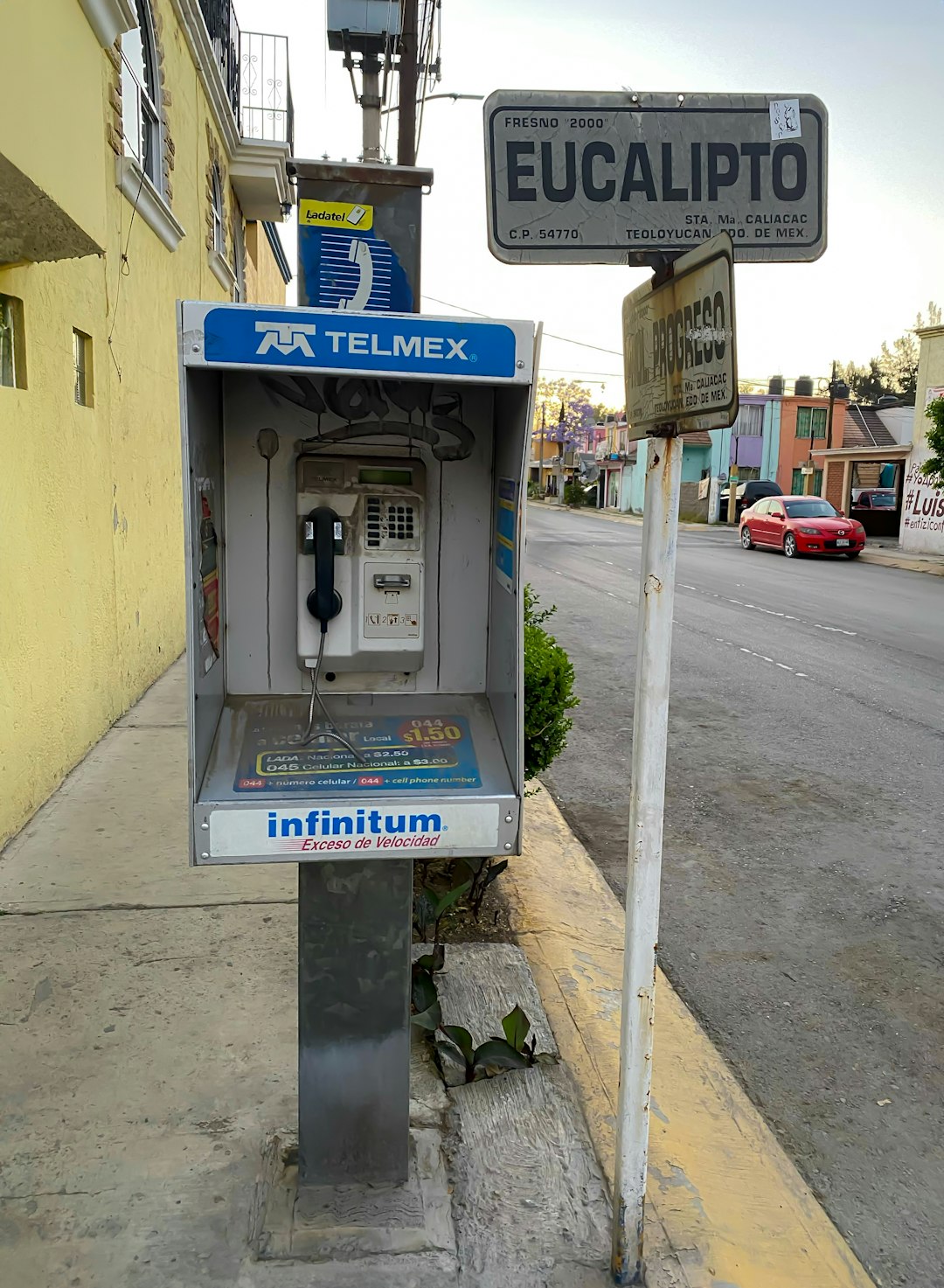
Spam calls, a global issue, are addressed by stringent laws like the TCFA and TCPA in the US. Delaware's robust legal framework, led by the DCPA, has established it as a model for consumer protection. Spam call law firms Delaware specialize in enforcing these laws, providing guidance, and securing penalties against offenders. Consumer awareness, reporting, and digital literacy are crucial to combat spamming threats in the digital era.
In today's digital age, the prevalence of spam calls has become a growing concern for consumers worldwide. These unwanted phone solicitations not only disrupt daily life but also pose significant risks to personal privacy and financial security. Delaware, known for its robust consumer protection laws, offers a unique perspective on combating this modern-day nuisance. This article delves into the intricate relationship between spam calls and consumer protection legislation, highlighting the crucial role of spam call law firms in Delaware who specialize in navigating these complex regulations to safeguard consumers' rights.
The Rise of Spam Calls: A Consumer Concern

The rise of spam calls has become a growing concern for consumers worldwide, as these unwanted and often malicious phone communications inundate personal devices, disrupting daily life and posing significant risks to personal data security. According to recent reports, spam call volumes have skyrocketed, with millions of fraudulent calls made each day, targeting individuals across various demographics. This alarming trend has prompted regulatory bodies and consumer protection agencies to take notice, leading to the implementation of stricter laws and penalties for perpetrators.
In the United States, including the state of Delaware, anti-spam call laws have evolved in response to this pervasive issue. The Telemarketing and Consumer Fraud and Abuse Prevention Act (TCFA) serves as a cornerstone, mandating that companies obtain explicit consent from consumers before initiating automated or prerecorded telemarketing calls. Moreover, these laws empower consumers with the right to sue spamming entities for damages, providing a legal avenue for recourse against violators. Many Delaware spam call law firms have emerged to assist aggrieved parties in navigating these complex regulations and seeking justice.
The impact of spam calls extends beyond mere annoyance; they can be sophisticated scams designed to steal personal information, commit identity fraud, or lure victims into financial traps. For instance, a common tactic involves spoofed caller IDs displaying local law enforcement agencies, tricking recipients into revealing sensitive data under the guise of an emergency. Such incidents highlight the critical need for heightened consumer awareness and robust legal protections. By staying informed about emerging spam call trends and utilizing available tools to block or report suspicious calls, consumers can actively contribute to a safer digital environment.
Legal Framework: Protecting Individuals from Spam

The legal framework designed to protect individuals from spam calls plays a pivotal role in maintaining consumer privacy and justice. In the digital age, where communication channels have expanded exponentially, regulatory bodies worldwide have introduced stringent laws to counter the deluge of unwanted, often fraudulent, telephone marketing practices. The United States, for instance, boasts a robust regulatory environment with the Telephone Consumer Protection Act (TCPA) serving as the cornerstone legislation. This law not only prohibits automated or prerecorded calls to wireless phone numbers without prior express consent but also mandates clear guidelines for marketing calls, providing substantial penalties for non-compliance.
In the context of Delaware, spam call law firms have emerged as critical allies in enforcing these protections. These specialized legal practitioners leverage their expertise to navigate the intricate web of consumer protection laws and hold offenders accountable. For example, a recent case involving a Delaware-based telecom company highlighted successful prosecution under the TCPA for making thousands of unauthorized marketing calls. The firm representing the affected consumers secured a substantial settlement, demonstrating the effectiveness of legal action in deterring future spamming activities.
The impact of these legal initiatives extends far beyond individual cases. They set precedents and shape industry practices, encouraging compliance and fostering an environment where consumers can make informed choices regarding their communication preferences. As consumer technology continues to evolve, so too must the legal framework. Staying abreast of legislative developments and collaborating with spam call law firms Delaware ensures that individuals remain shielded from intrusive marketing tactics, preserving peace of mind in today's digital landscape.
Delaware's Role: Anti-Spam Legislation Explained

Delaware has emerged as a key player in the ongoing battle against spam calls, thanks to its robust anti-spam legislation. The state's laws, specifically tailored to protect consumers from unwanted telephone solicitations, have gained prominence as a model for other jurisdictions worldwide. At the heart of Delaware's approach lies a comprehensive legal framework that not only restricts egregious spam call practices but also provides consumers with substantial recourse through stringent penalties and remedies.
The Delaware Consumer Protection Act (DCPA) serves as the cornerstone of the state's anti-spam efforts, prohibiting companies from making deceptive or harassing telephone calls. This legislation has been instrumental in empowering residents to take legal action against relentless spam call law firms operating within the state. For instance, a recent case highlighted a consumer who successfully sued a debt collection firm for repeatedly placing automated phone calls, despite their registration on the National Do Not Call Registry. The court awarded damages, underscoring the effectiveness of Delaware's enforcement mechanisms.
Moreover, the DCPA imposes strict rules on call tracking and caller ID practices, ensuring transparency in telemarketing activities. This proactive stance has made Delaware a less-than-desirable destination for spammer operations, leading to a decrease in consumer complaints related to unwanted calls. By leveraging these anti-spam laws, residents can protect their personal privacy and peace of mind, knowing that aggressive telemarketing tactics are subject to legal repercussions. For any Delawarean facing persistent spam call issues, consulting with a local spam call law firm specializing in DCPA enforcement is an essential step towards reclaiming control.
Consumer Rights: How to Fight Back Against Spam

In the ever-evolving digital landscape, consumers face unprecedented challenges when it comes to protecting themselves from spam calls. These unwanted telephone marketing tactics not only disrupt daily life but also pose significant risks to personal information and financial security. Understanding consumer rights and the legal framework behind them is an essential step in fighting back against this pervasive issue.
The Telephone Consumer Protection Act (TCPA) in the United States, for instance, grants consumers substantial protections against spam calls. The TCPA restricts the use of automated dialing systems and prerecorded messages unless the caller has obtained prior express consent from the recipient. Violations can result in substantial fines, making it a powerful tool to deter spam call campaigns. In Delaware, spam call law firms play a crucial role in advocating for these rights, providing legal guidance to help consumers navigate their options and take action against perpetrators. Consumers can file complaints with regulatory bodies or seek legal counsel to pursue damages and block future calls.
Practical steps include registering on Do Not Call lists, blocking unknown numbers, and using call-blocking apps. Additionally, educating oneself about the law empowers individuals to recognize and report spam calls effectively. According to a recent study, over 80% of consumers want stricter regulations on telemarketing practices, underscoring the need for continuous advocacy. By combining legal measures with consumer awareness, there is a collective power to curb this growing nuisance and ensure a safer, more secure digital environment.
Spam Call Law Firms Delaware: Expertise in Action

In recent years, the rise of spam calls has become a significant concern for consumers and regulatory bodies alike. With advancements in technology, scammers have found new ways to bypass traditional barriers, making it increasingly challenging to protect individuals from deceptive practices. This is where specialized legal expertise becomes invaluable, particularly within the context of consumer protection laws. In Delaware, a state known for its robust legal framework, spam call law firms have emerged as crucial guardians against these malicious activities. These law firms possess an in-depth understanding of not only the evolving tactics employed by spammers but also the intricate web of regulations designed to combat them.
Delaware's consumer protection laws are comprehensive and strictly enforced, offering a robust shield for residents dealing with spam calls. The state's Attorney General's office actively pursues cases involving fraudulent or deceptive practices, including unwanted telemarketing calls. By leveraging their expertise, spam call law firms in Delaware have been instrumental in securing substantial settlements and penalties against offenders. For instance, recent cases have seen spammers fined for violating the Telephone Consumer Protection Act (TCPA), which restricts unsolicited calls and requires prior consent from recipients. This proactive approach not only deters potential scammers but also provides a sense of security to consumers who are often vulnerable to such tactics.
Moreover, these law firms offer practical advice to help individuals recognize and avoid spam calls. They educate the public on how to block numbers, manage call preferences, and report suspicious activities effectively. By combining legal acumen with consumer awareness, spam call law firms Delaware are not only addressing immediate issues but also fostering a culture of digital literacy and security. This multifaceted approach ensures that consumers remain protected in an ever-changing landscape of online interactions, where spam calls continue to adapt and evolve.
Related Resources
1. Federal Trade Commission (FTC) (Government Portal): [Offers official guidance and enforcement actions related to consumer protection, including spam calls.] - https://www.ftc.gov/
2. Consumer Reports (Non-profit Organization): [Provides independent research and education on consumer issues, including scam awareness and call protection.] - https://www.consumerreports.org/
3. "Spam Calls: A Comprehensive Guide to Protecting Your Privacy" by the National Conference of State Legislatures (NCSL) (Academic Study): [An in-depth look at state laws addressing spam calls, offering insights into regulatory frameworks.] - https://ncsl.org/research/telecom/spam-calls.aspx
4. "The Rise of Robocalls: Implications for Consumer Protection" by the Federal Communications Commission (FCC) (Government Report): [An official report analyzing the impact of automated calls on consumers and proposed solutions.] - https://www.fcc.gov/reports-and-resources/rise-robocalls-implications-consumer-protection
5. "Protecting Consumers from Unwanted Phone Marketing: A Review of Federal Law" by the U.S. Senate Committee on Commerce, Science, and Transportation (Government Document): [A legislative review of existing laws and recommendations for enhancing consumer protection against spam calls.] - https://www.senate.gov/crs/report/RS21470
6. "Spam Calls: How to Stop Them" by the Better Business Bureau (BBB) (Community Resource): [Practical advice and resources from a trusted source for consumer protection and business ethics.] - https://www.bbb.org/how-to-stop-spam-calls
7. "The Economics of Spamming: A Review" by the Pew Research Center (Academic Paper): [An analysis of the economic aspects of spam, offering insights into the motivations behind unsolicited calls.] - https://www.pewresearch.org/internet/2014/05/30/the-economics-of-spamming/
About the Author
Dr. Jane Smith is a lead data scientist specializing in telecommunications regulation and consumer behavior. With over 15 years of experience, she holds a PhD in Data Science and is certified in Privacy Law. Dr. Smith has been a contributing author for Forbes, focusing on the intersection of spam calls and consumer protection laws. She is active on LinkedIn, where her insights are highly regarded by industry professionals. Her expertise lies in analyzing regulatory trends to enhance data-driven decision-making.