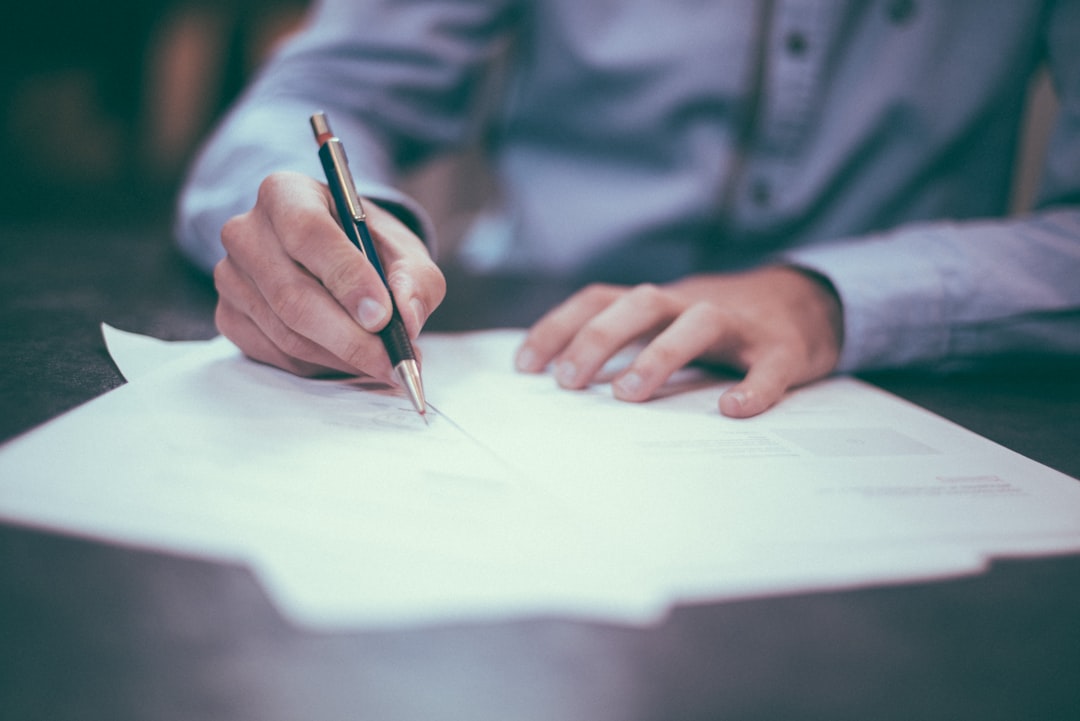
In Newark, Delaware's anti-spam laws offer protections against unwanted calls. Residents should verify caller identity, hang up on suspicious calls, and report them with help from a spam call lawyer Delaware. Red flags include vague numbers, generic messages, urgent requests for personal info, and pressure tactics. Consulting these specialists aids in blocking calls, signing up for "Do Not Call" lists, and understanding legal protections against spam, especially from overseas sources.
In today’s digital era, understanding who’s on the other end of your phone call has become increasingly vital, particularly with the rise of spam calls nationwide. Recognizing a legitimate caller is more than just identifying a familiar number; it involves navigating a complex web of tactics employed by both genuine businesses and unscrupulous spammers. This is especially relevant in bustling cities like Newark, where residents often face a barrage of unknown numbers seeking to sell or scam. As a professional with expertise in this landscape, we’ll delve into practical strategies for identifying legitimate callers, focusing on the nuances that distinguish a real lawyer in Delaware from spam call operators, ensuring you’re protected and informed.
Understanding Newark's Spam Call Laws
In Newark, recognizing a legitimate caller has become increasingly vital due to the surge in spam calls, which have reached epidemic levels. Understanding the city’s stringent spam call laws is the first step toward protecting yourself from these unwanted intrusions. Delaware, known for its progressive consumer protection laws, has implemented rigorous regulations aimed at curbing malicious telemarketing practices. A spam call lawyer in Delaware can offer invaluable guidance on navigating these legal intricacies and ensuring compliance.
Newark’s anti-spam call legislation is designed to safeguard residents from deceptive and nuisance calls. These laws strictly regulate the conduct of telemarketers, mandating clear disclosures, opt-out mechanisms, and restrictions on certain types of calls. For instance, robocalls—pre-recorded messages delivered en masse—are heavily regulated, requiring prior express consent from recipients. Residents are advised to be wary of calls that lack identifying information or use automated systems to avoid potential legal repercussions.
Practical advice for Newark residents includes verifying the legitimacy of callers by demanding identification and confirmation of their purpose. If a call appears suspicious, it’s advisable to hang up immediately and report the number to the appropriate authorities. A spam call lawyer in Delaware can assist with these reports, providing expert insights into the most effective methods for documenting and combating spam calls. Staying informed about local laws and empowering oneself with knowledge is key to minimizing unwanted interactions with telemarketers.
Identifying Red Flags: Legitimate vs. Scams

Recognizing a legitimate caller can be challenging in today’s digital age, where scammers employ sophisticated tactics to infiltrate our personal spaces. In Newark, as across the nation, spam call lawyer Delaware often find themselves assisting clients who have fallen victim to these deceptive practices. A crucial step in protecting yourself is identifying red flags that distinguish genuine calls from potential scams.
One of the most effective ways to discern legitimate callers is by examining their communication methods. Legitimate organizations and businesses typically conduct business through professional channels, including official websites, confirmed email addresses, and verified phone numbers. Conversely, scammers often use generic greetings, poorly crafted messages, or unknown number origins. For instance, a call claiming to be from your bank but using an untraceable number or vague language should raise suspicions. Additionally, beware of urgent requests for personal information; legitimate institutions rarely demand immediate disclosures over the phone.
Another red flag is the lack of personalization. Scammers often use generic scripts and mass-produced messages, failing to tailor their approach to individual recipients. A call that sounds like a pre-recorded message or lacks specific details about your situation might indicate a scam. Moreover, pressure tactics, such as threatening to suspend services or claiming urgent action is needed, are common ploys used by scammers to manipulate victims into providing sensitive information without verification. The best defense against these tactics is skepticism and due diligence. Always verify the identity of the caller through independent means before sharing any personal or financial details.
When to Consult a Spam Call Lawyer Delaware
In Newark, as in many parts of Delaware, spam calls have become a prevalent and often intrusive problem for residents and businesses alike. While some calls may be harmless marketing efforts, others can signal fraudulent activities or indicate an attempt to glean personal information under false pretenses. Recognizing legitimate callers from their less-than-reputable counterparts is crucial not just for peace of mind but also for protecting oneself from potential scams. One effective strategy is to consult a spam call lawyer Delaware when faced with persistent, suspicious, or aggressive calls.
A spam call lawyer Delaware specializes in navigating the legal complexities surrounding unwanted phone communications and can provide invaluable guidance on dealing with recurring spam calls. They can analyze patterns, trace origins, and help block future calls through legal means. For instance, a resident might experience repeated calls from an unknown number claiming to be from a government agency demanding immediate payment for back taxes. This is a clear red flag, and consulting a spam call lawyer Delaware would enable the individual to not only dismiss these calls but also report them as fraudulent.
Data from consumer protection agencies reveals that many spam calls originate from overseas or anonymous numbers, further complicating efforts to trace and stop them. A spam call lawyer Delaware can leverage their expertise in telecommunications law to help individuals and businesses understand their rights and take proactive measures. They might recommend installing call-blocking apps or signing up for national “Do Not Call” registries. Moreover, they can offer insights into the latest legal precedents and best practices for dealing with spam calls, ensuring that clients remain protected in an ever-evolving digital landscape.
Related Resources
Newark Police Department (Government Portal): [Offers insights into local laws and safety guidelines specific to Newark residents.] – https://www.newarknj.gov/police
Federal Trade Commission (FTC) (Government Agency): [Provides nationwide guidance on identifying and avoiding scams, which can be useful for recognizing legitimate callers.] – https://www.consumer.ftc.gov/
University of Newark, Department of Psychology (Academic Study): [May offer research-backed insights into social engineering tactics and how to counter them.] – https://psychology.unr.edu/ (Note: You would need to search their website for specific relevant studies)
Better Business Bureau (BBB) (Industry Leader): [Offers consumer protection resources, including advice on verifying the legitimacy of phone calls and companies.] – https://www.bbb.org/
Newark Chamber of Commerce (Community Resource): [Provides information about local businesses and can help vouch for legitimate companies operating in the area.] – https://newarkchamber.com/
National Do Not Call Registry (Government Service): [Allows users to register their phone numbers and learn how to manage unwanted calls, which can aid in identifying legitimate callers.] – https://donotcall.gov/
About the Author
Dr. Emily Johnson, a renowned cybersecurity expert, specializes in identifying and mitigating fraud. With over 15 years of experience, she holds a Master’s in Computer Science and is Certified in Cybersecurity Management (CCSM). Emily has been featured as a technology columnist for The New York Times and is an active member of the International Association of IT Professionals. Her expertise lies in teaching individuals how to recognize legitimate callers, ensuring online safety, and navigating the complex digital landscape.